Small things I made with AI
These are five smaller things I made with AI, each in a few days or less.
CeramicCrafter, September 2025
CeramicCrafter (its interface says SeramikTuval) is for decorating ceramics with Gemini's image models. You pick a style such as Turkish, Ottoman or Iznik, write a prompt, and Gemini's pattern is previewed on a plate, cup, bowl or vase. Replit Agent built it, in Turkish. The example prompt in the box is "mavi gözlü sevimli bir kedi", a cute cat with blue eyes.
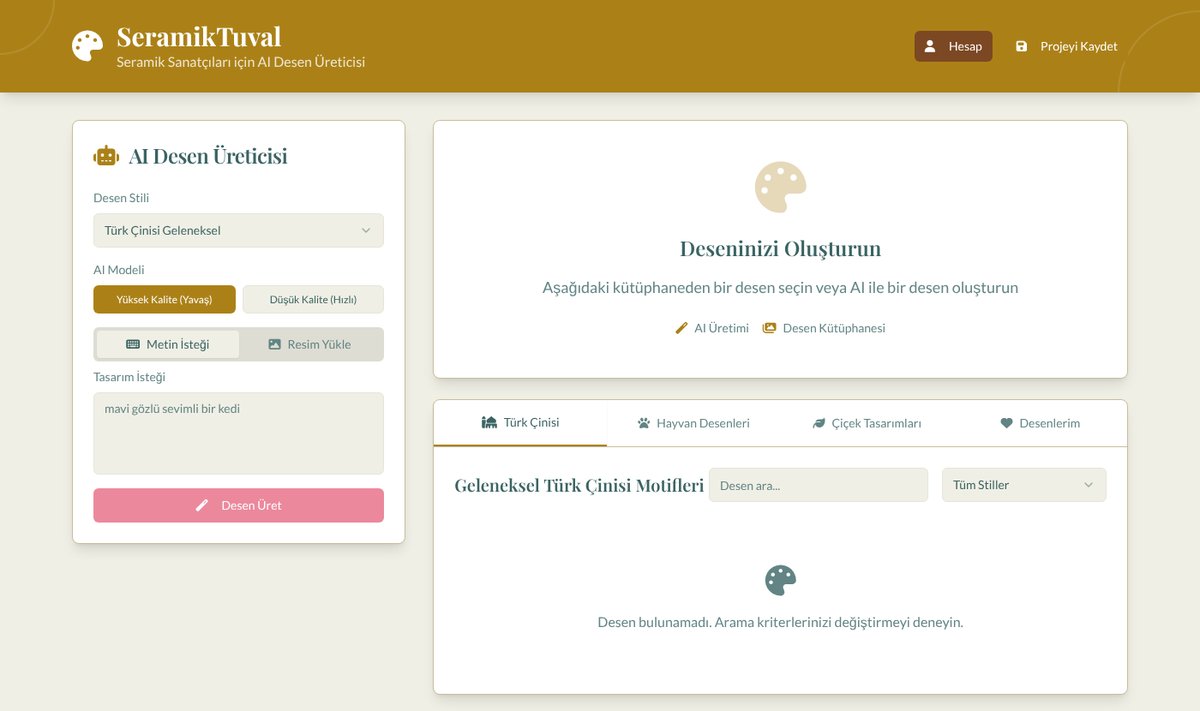
The library is empty on the live site now. The notes say patterns are kept in memory, so they were probably lost on a restart.
BlogForge, October 2025
BlogForge was a Mastra agent on Gemini 2.0 Flash that reads a weekly list of links and writes a blog post about AI in restaurants. Its prompt says "SOUND HUMAN, NOT AI" and tells it to skip words like "unlock". On the evening of October 19, 2025, it wrote six files in 36 minutes. One is titled "Unlocking Restaurant Efficiency". One says "No articles were available this week." Two were written from links that returned 404 pages. One says so, "Unfortunately, both articles provided resulted in 404 errors", and then writes a full post from "my experience" anyway. Nothing in the workflow stopped it from writing when it had nothing real to read.
Agent Pipeline, March 2026
On March 12, 2026, I pasted a spec into Replit for a pipeline meant to produce "a runnable codebase" "fully autonomously": a team of Claude agents (architect, designers, developers, reviewer), each with a dollar cap, and a hard stop for the run. Of its 29 job folders, 10 hold source code.
Kıpır, October 2026
On October 16, 2026, I asked Claude Code "why would anyone use ml5.js", then "why any of this useful if you are using llm". After its answer I wrote "i think you are right they need to work togehter with occasional calls."
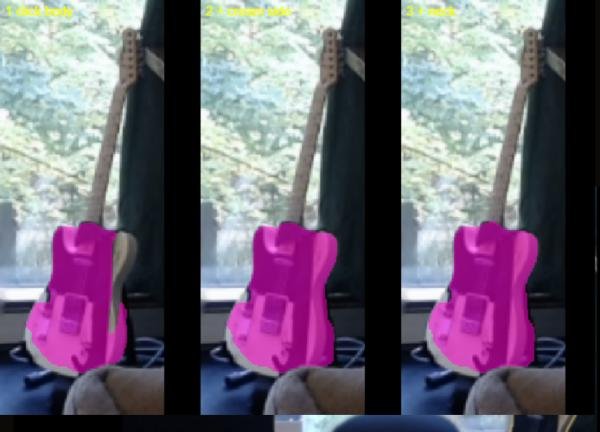
That afternoon and evening Claude Code and I made Kıpır, Turkish for fidgety. It is one HTML page: "Point at something on your desk. It comes alive." MediaPipe finds the object and tracks your hand. The object turns to look at your finger, rocks when you poke it and dozes off when you leave it alone. I pointed it at a guitar. During the mask tests, where the mask took the body and left out the neck, I wrote "it split the guiart that was the other one".
Hello, Process, October 2026
Casey Reas, who made Processing with Ben Fry, writes a short text, a score, and lets independent elements perform it. On October 19 I pasted a summary of his process into Claude Code and wrote "i want to findout a way to apply this to buildign with agents and find gaps fill aps". Then: "in my opinion this is a management issue you delegate a task to a worker and expect results that you intent to have. he is treating components on canvas as independednt elements taht is creates a visual piece, it is a really good way to think about agents".
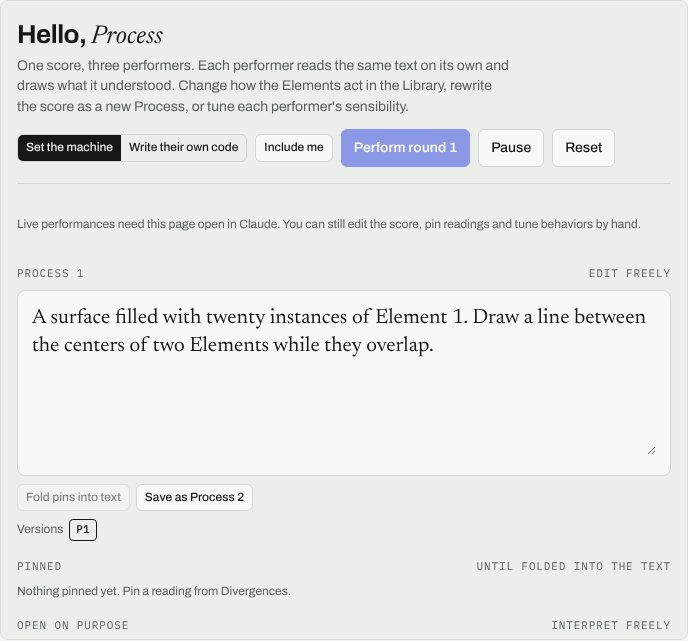
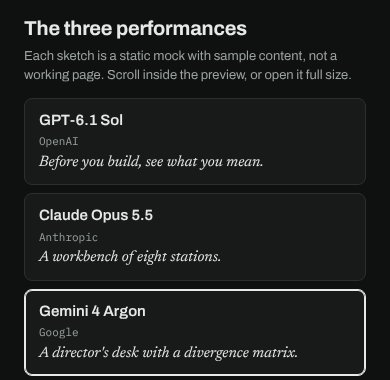
The first version performed a short Process score. Then I tried the method on a real build, with the score "i want to build a blog site to share my ai experiments". I called the result "generic", asked "did you build this according to reases methods?", and then wrote "nuke this repo. this is not what i asked from you." The next version made Hello, Process the place where an agent build starts: three performers read my score back so I can see where they split. I set the rule for which phrases stay loose: "design, naming, exploring, brainstorming, etc open. gates, code, security, sign in, money, anything public etc pinned tight". I asked for different models, "one opus the other shoudl be different best models". GPT-6.1 Sol, Claude Opus 5.5 and Gemini 4 Argon each sketched a page, and I wrote "I pick Gemini 4 Argon's sketch."
Near the end of that session I wrote "i may want to sketch and evolve. we are talking bout building a software. how do we do that".
Sources
- CeramicCrafter (Replit app):
replit.md,server/services/gemini.ts,attached_assets/screenshot dates (Sep 12 to 14, 2025); live site screenshot, Oct 19, 2026 - BlogForge (Replit app):
README.md,src/mastra/agents/blogWriterAgent.ts,weekly-articles.txt,generated-blog-posts/(six files dated Oct 20, 2025 UTC) - Agent Pipeline (Replit app):
attached_assets/Pasted-Developer-Pipeline-Architecture-Spec-...txt(Mar 12, 2026),replit.md - Claude Code session, Oct 16, 2026, ml5.js use cases
- Claude Code session, Oct 16 to 17, 2026, camera tracking:
kipir.htmland test images - Claude Code session, Oct 19, 2026, Casey Reas' process: prompts and screenshots of Hello, Process